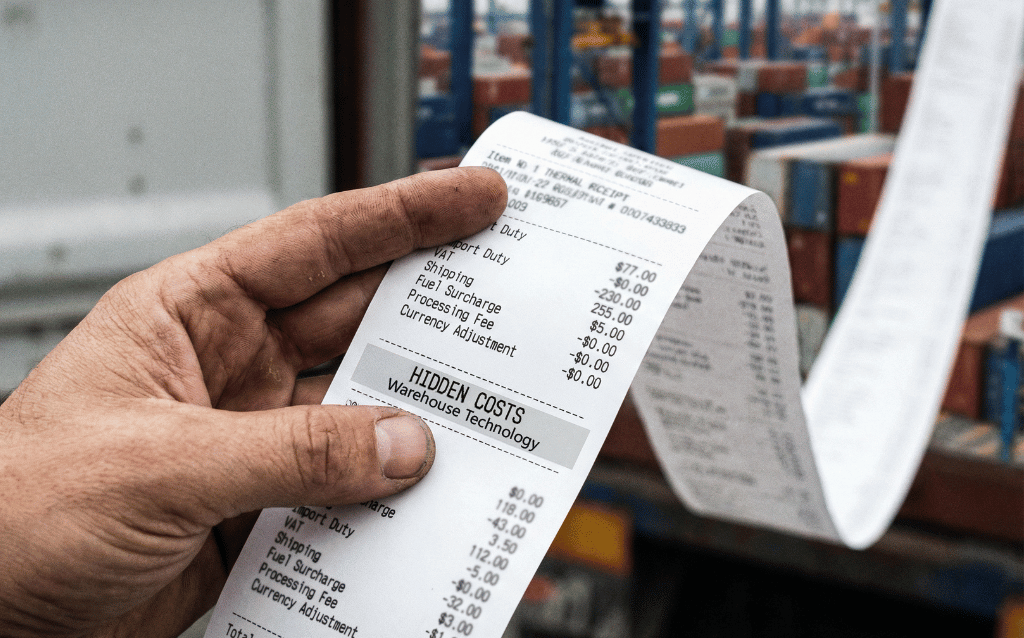



The Hidden Cost of Warehouse Technology
Why Your Scanners, Headsets, and Smart Glasses Keep Disappearing Most warehouses that don’t have enough devices to go around aren’t actually...
Most warehouses that don’t have enough devices to go around aren’t actually suffering from an inventory issue. They’re suffering from a visibility issue.
If you ask one of your supervisors where a specific scanner is right now, the answers are usually predictably vague:
"Someone must have it on the floor somewhere."
"Someone from the last shift probably hasn’t turned it in."
"We’ll find it..."
While this might sound like a harmless snapshot of everyday life in a warehouse, multiplying the lost minutes from these visibility issues across all your shifts, teams, and locations makes a material drain on your facility's productivity.
In most warehouse and third-party logistics (3PL) environments, workers treat expensive devices like RF scanners, barcode scanners, voice-picking headsets, and other mobile devices as communal property. There’s no sense of ownership, no formalized tracking, and zero accountability. So on paper, your facility has a full inventory of devices available at the start of each shift. In reality, those devices could be anywhere, in any condition, or long gone.
Here is exactly where that lack of control hits the bottom line:
Industrial RF scanners are not cheap. A single unit can cost anywhere from $1,500 to over $3,000. And as warehouses adopt more advanced technologies, such as vision picking glasses and wearables, per-unit costs climb even higher.
Warehouses are not friendly environments for expensive electronics. Devices change hands constantly, can be dropped or accidentally misplaced, or handed off informally between workers across shifts. Without a system of strict accountability, you’ll have no idea which devices are still available or in what condition.
If your workers and supervisors are spending time hunting for missing scanners, they’re not spending time generating value for your company. And often those device hunts happen right at the top of shifts, when the most impactful planning should be taking place.
Instead of hitting the floor and getting straight to work, they are forced to hunt for available scanners, swap out dead batteries, and track down missing devices. We’re not talking about “shut down the floor” events, rather an accumulation of low-level bleeds on productivity shift after shift, week after week.
When a piece of shared equipment inevitably breaks or goes missing, you’re often greeted with a completely cold trail. Without a system of record, no one knows who last had the device. You can't accurately trace its usage history or find the data needed to root out and fix the underlying problem. Without accountability, there are no answers, guaranteeing that the cycle of loss and damage will simply repeat itself.
Wasted labour is where using pooled equipment without digital tracking really hurts your bottom line. Even if just one or two workers spend 15 minutes at the start of their shift looking for an available, functional scanner, that wasted time adds up across all your facilities over weeks or months. Pretty soon, you have the equivalent of a weekly FTE spent solely on manual device tracking.
The most dangerous part of this dynamic is its invisibility. With purely shared or pooled equipment, none of these bottlenecks appear clearly in standard operational reports. Real costs are incredibly difficult to quantify and address.
Warehouse and logistics teams are rightfully investing in new picking technology to improve efficiency. But there is a catch. The more advanced this equipment becomes, the more central it becomes to workflows. So when advanced devices go missing, it has an outsized impact on operations.
RF Scanners (Still the Backbone)
Handheld scanners and guns are tried-and-true picking tools that have gotten more advanced with more comprehensive functions over the years. Unfortunately, how they are managed hasn't evolved. Because they remain largely untracked and are incredibly easy to misplace, the core problem of disappearing equipment persists.
Voice Picking Systems
Voice-directed picking combines headsets and wearable scanners. These and all other devices here also need charging cradles or swappable batteries.
This multi-component setup introduces some unique device management challenges. Beyond the distinct hygiene concerns of sharing headsets across a large workforce, picking systems with multiple parts compound equipment-tracking challenges, which in turn worsens visibility into device location and use between shift changes.
Vision Picking Glasses and Wearables
Wearables like Vuzix smart glasses cost significantly more than traditional handheld scanners so they are frequently shared between shifts. Without proper control mechanisms in place, adopting smart wearables merely creates a much more expensive version of the same problem.
The Accountability Gap in Modern Warehouses
A fundamental disconnect exists in modern facility management. Warehouses meticulously track their inventory down to the individual SKU and monitor pallets down to the exact bin location. But they fail to apply that same rigour to the essential tools used to move that inventory.
This creates a material blind spot. You need to track who used a specific device if you want to enforce accountability for damage or losses. Without closing this accountability gap, it’s impossible to fully reduce equipment loss.
The best-run 3PLs are shifting their thinking around smart devices. Headsets, scanners, and other picking devices are more than just line items on an equipment budget; they’re essential assets within a 3PL’s core workflow. They need to be available in the right place at the right time.
In practice, this mindset shift means:
The goal of this mindset shift is to achieve full operational clarity. It’s not just control; it's visibility.
Where Intelligent Lockers and Storage Fit In
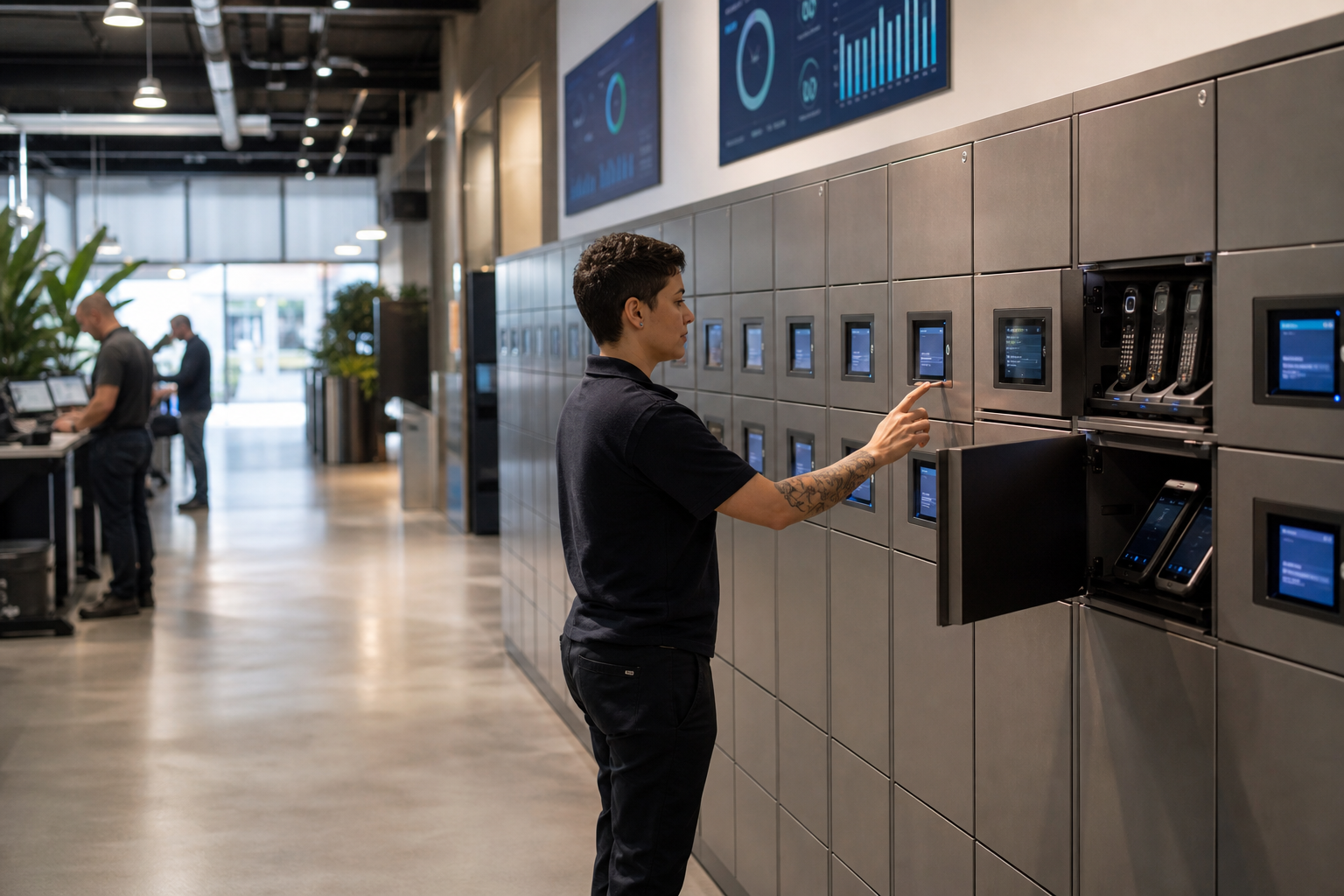
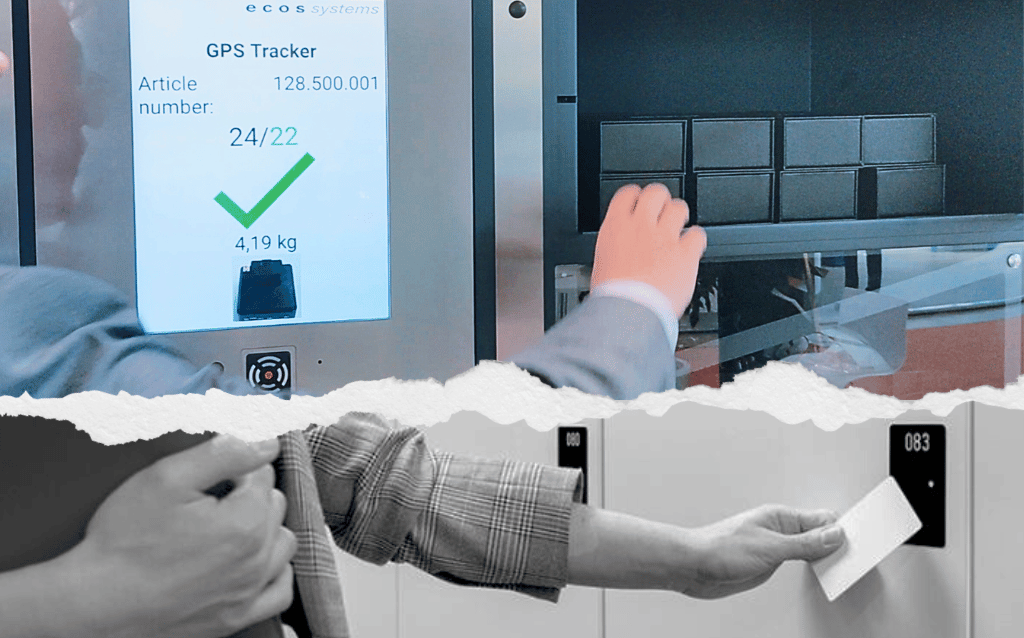
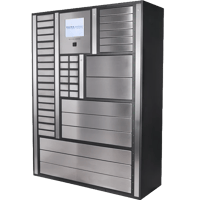
This demand for accountability is where a new category of physical solutions comes in. Smart lockers and intelligent storage systems are specifically designed to manage shared warehouse equipment without adding unnecessary administrative complexity.
They allow warehouses to manage their tech by securely:
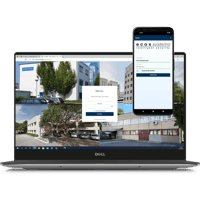
Instead of relying on fragile systems like an operator's memory, the honour system, or paper logs, everything is digitally recorded and stored in the cloud in real time.
The ROI Isn’t Just About Preventing Loss
When facility managers consider intelligent storage, most assume the primary goal is simply preventing devices from going missing. Loss prevention is really only part of the calculation.
The real, compounding value of these systems comes from secondary operational gains:
Ultimately, the true return on investment is smoother, more predictable operations that don’t rely on guesswork.
For years, warehouses and 3PLs have focused on optimizing how products move through a facility. To do that, modern organizations are increasingly turning to advanced, smart technology. However, this operational shift raises a critical new question that facility leaders must answer: Who is managing the tools that make all this possible?
Ultimately, you can’t maintain a tight supply chain without controlling the essential equipment that powers it.
When the equipment powering your operation isn't strictly controlled, everything else on the floor becomes exponentially harder to control, too.
Why Your Scanners, Headsets, and Smart Glasses Keep Disappearing Most warehouses that don’t have enough devices to go around aren’t actually...
A Fleet Manager’s Complete Guide: Including Optimized Vehicle Utilization, Smart Booking & Data-Driven Assignments The practice of fleet management...
"We need to know who accessed that key and when."