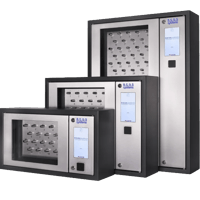
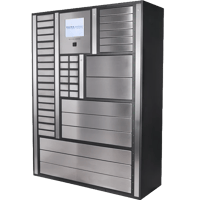
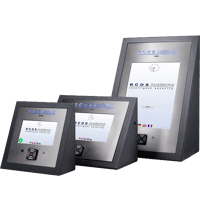
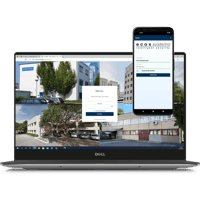
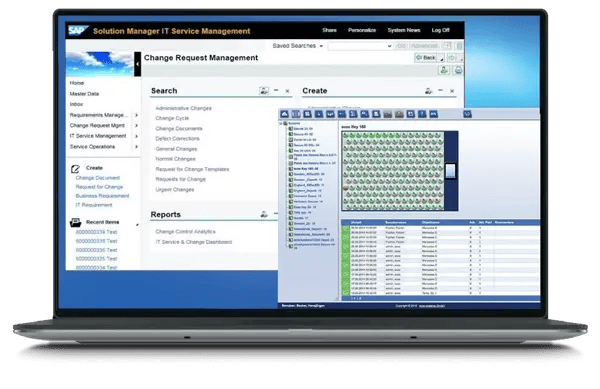
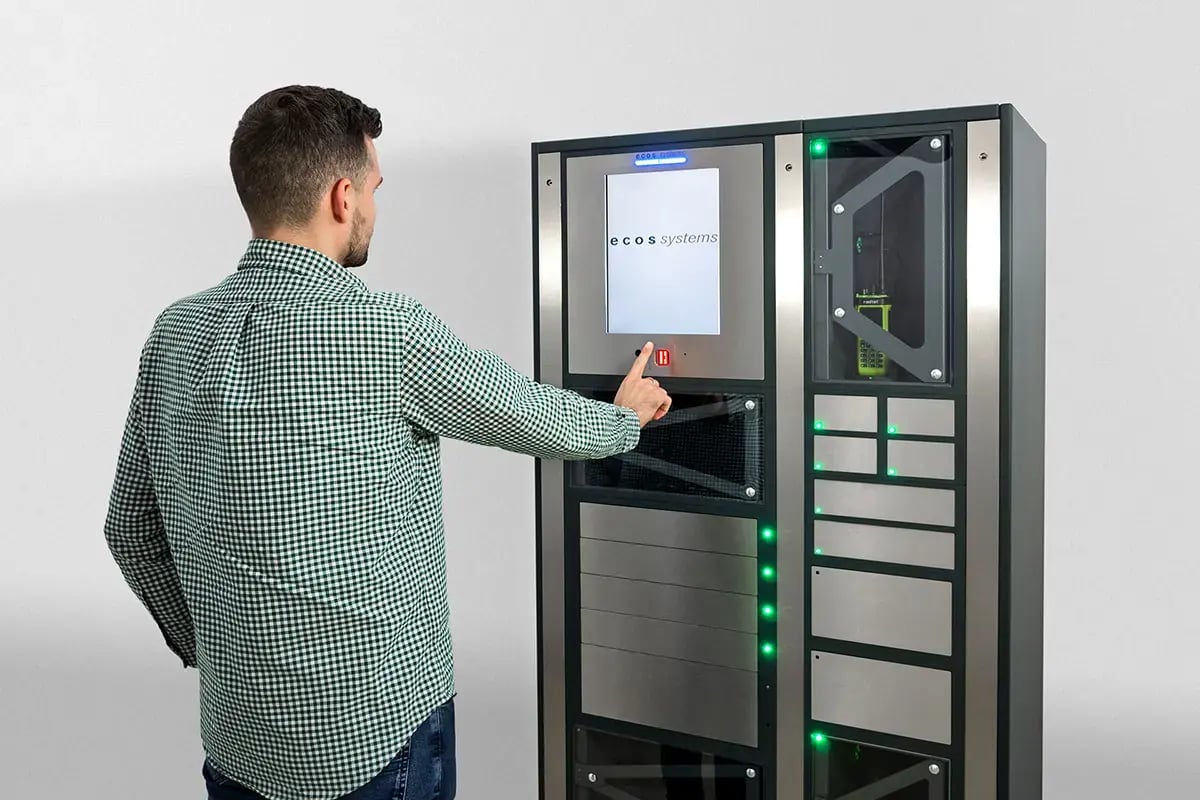
SAP runs the core of many organizations — materials, maintenance and warehouse management included. Linking ecos key cabinets and lockers to SAP brings the physical handling of tools and consumables into your ERP, so stock levels, fault notifications, service tickets, and usage figures are updated in the system your business already runs on.
GENERAL INTEGRATION
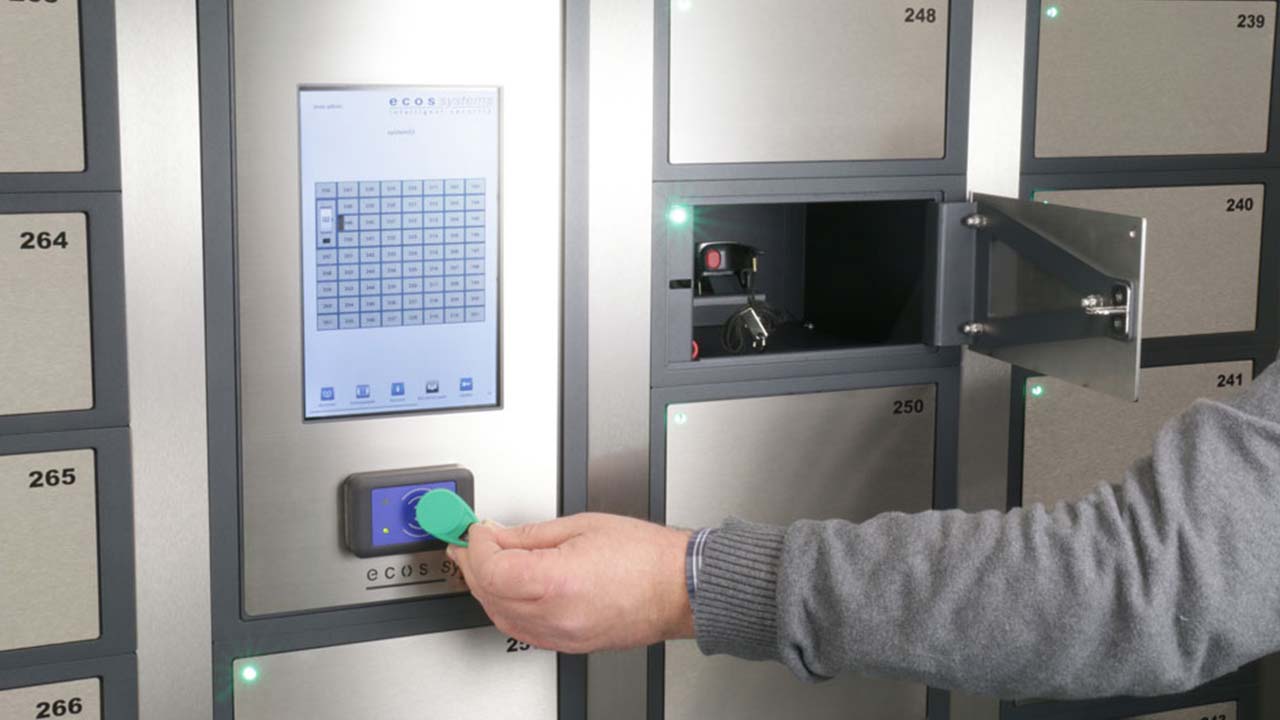
The integration connects ecos to SAP through the SAP interface. Items held in an ecos cabinet or locker are matched to their SAP material records by article number, and from there, inventory quantities, fault notifications, tickets, and utilization data are exchanged between the two systems independently.
How it works
Set up the SAP connection, providing the interface endpoint and the credentials SAP requires to authenticate ecos webman.
Reconcile ecos items with their SAP material master entries by article number, so both platforms describe the same tools and consumables.
ecos updates stock quantities and relays any faults recorded at the cabinet into SAP at regular intervals.
Support tickets and utilization reports are raised in SAP straight from ecos activity.
Key Features
Inventory visibility in SAP
Every tool quantity and consumable level held in ecos is reflected against its SAP material record by article number, giving your ERP an up-to-date count without a separate stock take.
Fault notifications from the device
If a tool is broken or a consumable is faulty, a user records it at the ecos cabinet or locker, and that notification is carried into SAP so maintenance and stores teams are alerted at source.
Support tickets in SAP
Recorded faults are automatically turned into support tickets in SAP, feeding each issue into your existing maintenance and service processes rather than a standalone log.
Asset utilization reports
ecos shares usage rates with SAP — showing, for instance, that a given drill is used 90% of the time on average — so procurement and maintenance decisions rest on real asset demand.
Bring keys, tools and consumables into your ERP.
Accurate stock, fault notifications, automatic support tickets and utilization reporting — all recorded in SAP alongside the rest of your operations.