



The Hidden Cost of Warehouse Technology
Discover the hidden costs of inadequate equipment management in warehouses and 3PLs, and learn how to enhance accountability and operational...
5 min read
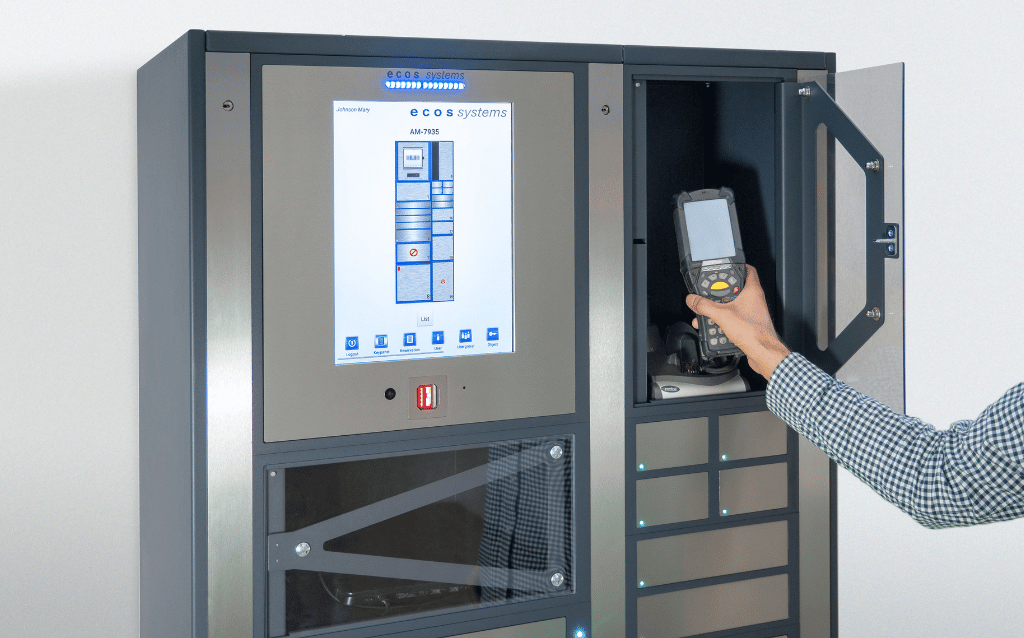
Once You Recognize the Problem, You Can Find the Ideal Solution
You’ve spent years optimizing how products move through your warehouse. You’ve embedded advanced new smart technology into your daily workflows. Handhelds, voice-picking headsets, the list goes on.
Your workforce relies heavily on those devices, but as we discussed in our last article, their distribution and use remain a significant operational blind spot.
High-value picking devices going missing or turning up unexpectedly damaged at the start of a shift unnecessarily slows down work. Without good visibility into your devices' movement, your only recourse is to buy more devices. That’s never a sustainable approach. The sustainable solution is to build a system that tracks and manages device use and enforces accountability across your workforce.
Recognizing this operational issue is the first step. The next step is actively solving it. Smart lockers are specifically designed to close this accountability gap without adding administrative bloat.
Here is what you need to consider when evaluating your operations and selecting an intelligent locker that will actually solve your organization’s specific visibility problems.
Before choosing a smart management solution, quantify your current operational bleed. Start by taking a complete inventory of your shared tools, including:
Audits often reveal more than expected. Many warehouses have devices out of service because of minor issues. Sticky buttons, damaged screens, worn batteries, or charging problems are all common. These issues frequently go unreported because employees have no simple way to flag defective equipment or request repairs.
In some cases, workers may even hide “favourite” scanners after their shift to ensure it’s available next time they come in. Over time, this behaviour creates a shadow inventory of devices that management cannot easily locate, track, or maintain.
The goal of the audit is not simply to count assets. It is to understand how equipment is actually being used, where losses occur, and what operational inefficiencies exist before implementing a smart management solution.
Calculate your baseline costs to understand exactly what is at stake. Industrial handheld scanners are significant capital investments, costing between $1,500 and $3,000 per unit. Smart glasses and voice-picking devices can cost even more. How many units do you have in circulation?
Without a clear accountability system, these high-value assets can be easily misplaced or damaged. What you really don’t want is regular spending on replacement devices to become an accepted norm within your organization. Those costs are entirely preventable and stem solely from a lack of accountability.
Finally, measure the time your workers spend hunting for missing equipment or simply swapping dead batteries at the start of a shift. Quantify this hidden labour drain.
While a five-minute delay may seem irrelevant on a worker-by-worker basis, that wasted time compounds rapidly across your entire workforce. It creates a massive, invisible drag on daily throughput before a shift even begins.
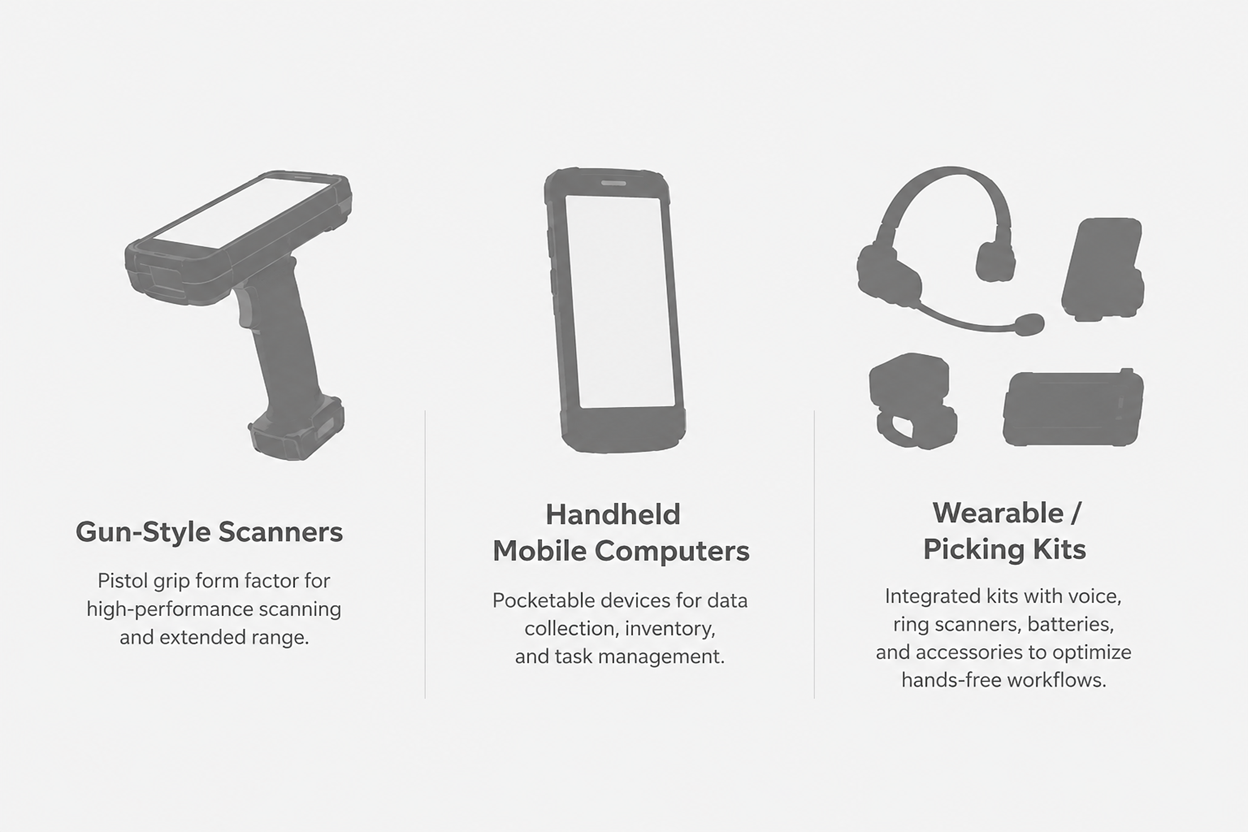
Figure 1 - different form factors of the tools typically used in warehouse/3PL/4PL
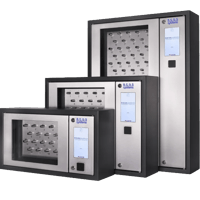
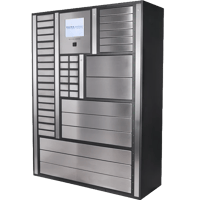
Start with the obvious: a smart locker system must physically accommodate your devices. The real value of smart systems lies in their tracking capabilities, but if they can’t actually store your devices, they’re of no use to you.
The storage solution you choose needs to reflect how your equipment is handled, charged, and deployed. When evaluating smart lockers against your daily operations, keep these specific hardware requirements in mind:
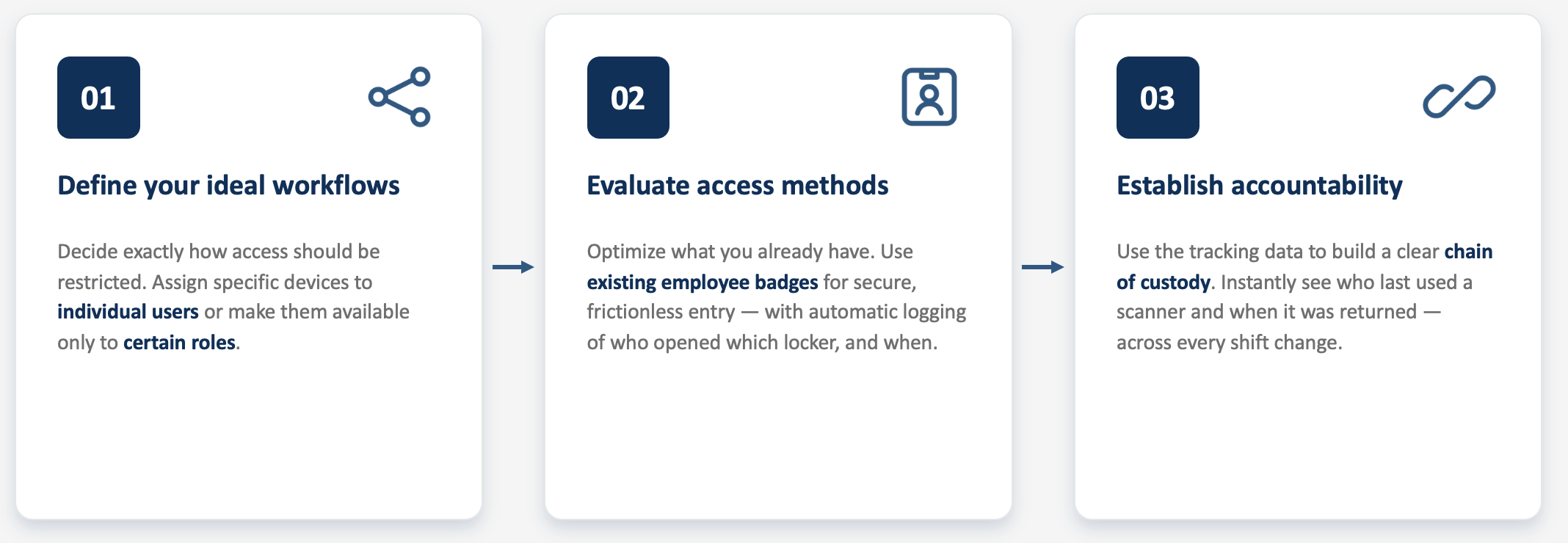
Determine exactly how to restrict access to your warehouse tools. You can configure a smart locker system to assign specific devices directly to individual users or make them available only to specific roles.
Next, evaluate which access control methods align best with your current operations. In most cases, you’re not looking to completely overhaul how your workers access devices; you’re just trying to optimize current processes with smart management capabilities. That means the most effective approach is often to leverage your existing employee badges. That provides secure, frictionless entry with automatic logging of exactly who accessed which lockers and when. Integration with smart management systems means you have seamless control over employee access permissions.
Finally, map out how you will use this new data to establish clear accountability between shifts. Because intelligent storage systems track every interaction with stored devices, you can instantly see who last used a scanner and when they returned it. That creates a clear, unbroken chain of custody between shift changes.
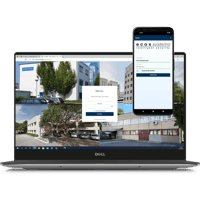
The physical hardware keeps your devices secure, but it's the software that drives operational ROI. When evaluating solutions, look for intelligent storage systems that provide automated tracking. The software must reliably verify that devices have been returned at the end of a shift. The goal is to remove the administrative burden of tracking device signouts from your floor supervisors.
To do so, prioritize selecting smart locker systems that utilize RFID detection directly within each locker compartment. Built on decades of proven RFID engineering, full-coverage floorplate sensors detect devices instantly no matter how they’re placed inside. Warehouse staff can quickly drop equipment into a compartment without worrying about whether tags align with scanners. It simply works. Unlike other locker systems that demand precise placement, the ruggedized RFID floorplates in ecos lockers eliminate reliance on the honour system and manual logging without adding friction to shift changes.
Finally, review each platform's reporting capabilities. Ensure the software generates complete audit trails for compliance and reporting. You can leverage this real-time data to:
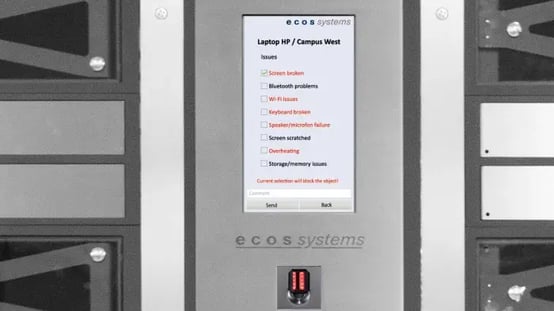
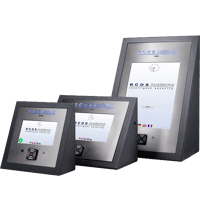
Allow workers to document issues directly at the locker access panel. The system automatically restricts access to any items they report broken and locks them out of circulation until IT pulls and repairs them. This surfaces small issues that often go unreported—sticky buttons, failing batteries, damaged screens, or charging problems—before they impact the next shift.
You can track exactly how long each device is checked out by setting curfews. If someone doesn’t return a device by the end of a defined shift, the system can automatically notify a manager that the item is overdue.
For years, warehouse operations have invested heavily in optimizing exactly how inventory moves through a facility. But as advanced technology becomes more integral to these daily workflows, the need for structured equipment management has become increasingly critical. Ultimately, you can’t maintain a tight, efficient supply chain without controlling the equipment necessary to manage it.
Once you have evaluated your operational needs, defined your workflows, and selected the right intelligent storage system, you are ready to move forward. The final step is bringing that system to life on the warehouse floor. In the third and final article of this series, we will break down how to navigate the purchasing and deployment process so you can roll out your new smart lockers without running into the most common operational roadblocks.
Discover the hidden costs of inadequate equipment management in warehouses and 3PLs, and learn how to enhance accountability and operational...
Discover why High Frequency RFID is the superior choice for smart lockers, ensuring precise tracking and accountability over Ultra-High Frequency...
Discover how weight recognition technology surpasses RFID in equipment tracking and management, offering superior accuracy and reduced costs.