



Fleet Management Apps vs. Fleet Key Management Solutions
Discover how fleet key management solutions enhance efficiency by bridging gaps in app-only systems, ensuring accountability and seamless operations
10 min read
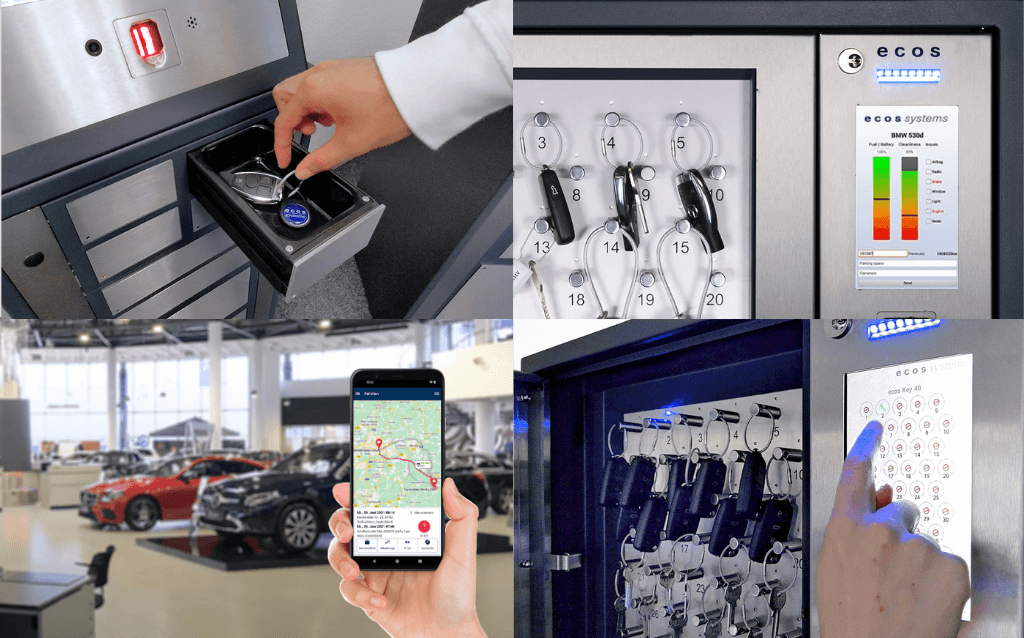
The practice of fleet management continues to evolve. New technologies, the rapid consumerization of electric vehicles (EVs), changing market dynamics, and complex regulatory landscapes all give fleet managers more than enough to contend with.
The number of things you need to pay attention to feels greater than ever. But maintaining a well-organized fleet is perfectly doable with the right tools, processes, and planning.
This guide details everything you need to know to assemble an organized, strategically aligned fleet management program in 2026 and beyond. We’ll cover everything from high-level strategic planning down to practical steps to improve vehicle utilization and streamline your booking workflows.
Fleet management is no different than any other complex business process. The best way to optimize fleet utilization and make operations as efficient as possible is to start with a strategic plan.
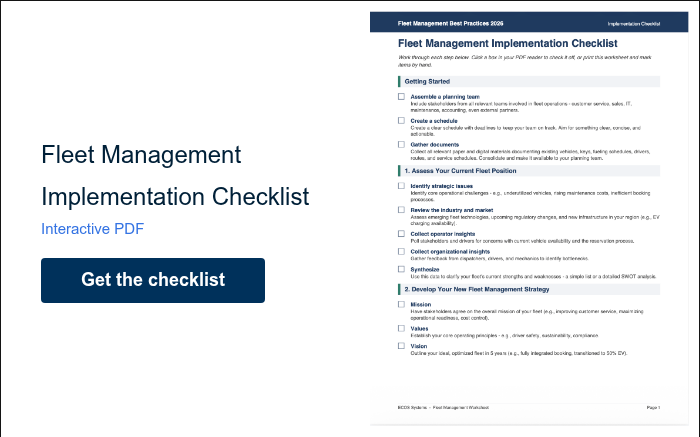
Your plan shouldn’t be complex. It doesn’t matter the size of the fleet you’re working with, whether you’re stepping into a role managing an existing fleet, or building a program from the ground up. Download this basic four-step strategic planning process, which will help you create a clear, actionable plan:
|
Fleet strategy resources |
Of course, strategizing is only part of the process. Now you need to manage operations day in and day out. The processes you establish or refine during your planning cover the five core elements of fleet management:
|
Fleet program & framework resources |
Now that you have a documented baseline and clear goals for your fleet, you can begin applying specific best practices to improve your daily operations. But note that trying to overhaul every process at once is usually counterproductive. Instead, evaluate these available best practices against the specific gaps you identified during your planning process.
Here is a straightforward framework for deciding which practices to integrate into your strategy first:
The following sections detail the core best practices for 2026. Review them with your strategic plan in hand, and choose the elements that align most directly with your fleet's current needs and available resources.
Scheduled maintenance routines are simple, but can often lead to unexpected downtime and higher repair costs when vehicles break down mid-cycle. A preventive maintenance strategy means monitoring vehicles and equipment for potential failures and servicing them when you catch warning signs. This strategy helps you service vehicles based on their actual usage patterns rather than an arbitrary schedule.
Modern, smart fleet management systems help you better orchestrate preventative maintenance. They can require drivers to log issues when they sign out or return a key fob. For example, a sales rep could log a chipped windshield after a long highway drive. Smart systems can also integrate with telematics systems, unifying all your vehicle data in a single management dashboard.
If a vehicle reports a fault code or reaches its scheduled service mileage limit, the fleet key system can automatically flag the asset as unavailable. Advanced key management systems can physically lock the specific vehicle's key out of circulation, preventing another driver from accidentally taking it.
|
Preventive maintenance resources |
For gasoline-powered vehicles, fuel optimization should involve monitoring and reducing idle time, monitoring fuel consumption, and encouraging efficient driving habits. Electric vehicles (EVs) have very different criteria. Monitor EV charge times, range limits, and charger availability for vehicles on the road.
Relying on manual tracking or simply leaving it up to drivers to self-manage this mix of energy sources is rarely efficient. To balance both gas and electric resources effectively, modern fleet key management systems utilize an automated vehicle assignment algorithm. That can help optimize your fleet's energy consumption in several specific ways:
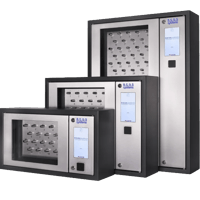
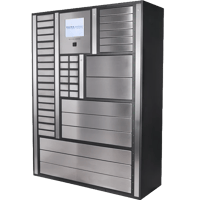
Integrating your fleet booking software with key management ensures these energy-saving policies are actually followed on the ground. A vehicle key tracking system for fleets uses a smart cabinet that only releases the fob for the specific vehicle assigned by the algorithm. This straightforward physical control prevents employees from taking a fully fueled gas van or a fully charged EV for a quick local errand.
|
Fuel optimization resources |
You should structure your safety management around a few automated processes:
 Alcohol screening: To verify drivers are fit to operate a vehicle, you can integrate breathalyzer systems directly with advanced fleet key management systems. They will only release an assigned vehicle key after a driver passes a standard sobriety test. Requiring a follow-up test when the keys are returned logs their status for the duration of the trip. If an incident occurs, this automated record provides clear documentation of the driver's fitness to operate the vehicle.
 |
Driver safety resources |
You should base your acquisition and retirement cycles on accurate metrics rather than arbitrary, preset timelines. Analyze actual usage patterns to guide these investments.
Leverage automated fleet reporting systems so you can track exactly how often each asset is booked. This data-driven approach relies on you having access to detailed vehicle activity logs, which is where a central fleet management system comes into play. Connecting reservation functions to modern key management cabinets ensures that every trip is recorded. Because you’re controlling physical access to the keys, you know your utilization metrics reflect actual usage. You’ll have accurate data for the next purchasing cycle.
|
Vehicle lifecycle management resources |
A functional fleet management technology stack typically relies on three interconnected elements working together to streamline your daily operations.
|
Technology |
Core Function |
Practical Fleet Application |
|
Telematics |
Gather real-time fleet vehicle information. |
Feeds objective data, such as mileage, GPS location, and EV battery charge levels, directly into your central management dashboard. |
|
Artificial Intelligence (AI) |
Processes data to automate operational decisions. |
Analyzes incoming telematics to execute an automated vehicle assignment algorithm and optimize daily route planning. |
|
IoT (Internet of Things) |
Connects digital rules to physical assets. |
Modern key cabinets act as IoT hubs, physically securing vehicle fobs until the AI confirms an authorized, valid reservation. |
These tools enable fleet managers to step back from manual tracking tasks. The software handles the logic of matching the right vehicle to the trip, while the connected key cabinet enforces that decision on the ground before a driver ever leaves the parking lot.
|
Fleet integration resources |
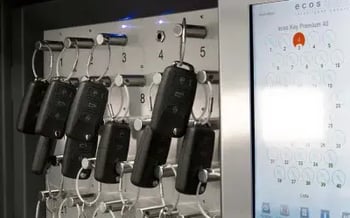 Vehicle key transactions are important control points within fleet management. They’re interactions among drivers, administrators, and your management systems. By design, they’re access control, but they’re also excellent opportunities for data collection. If you want to perform data-driven fleet optimization, these are the first control points you should look at.
|
Key management resources |
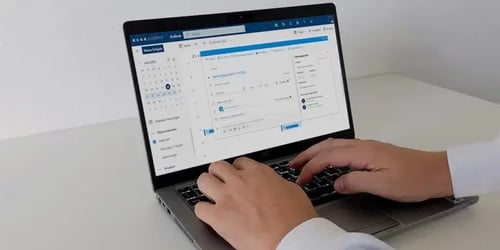 Using a key management system with integrated vehicle booking is an excellent way to optimize your fleet. When a driver schedules a trip, the management software can analyze all relevant factors before assigning a vehicle.
The system will handle day-to-day operations and automatically maximize the value of your existing assets, so you can focus on strategic work.
|
Fleet reservations & utilization resources |
Managing digital fleet logbook requirements manually can be a significant operational burden. It can take considerable oversight to mitigate the risk of human error. A missing Driver Vehicle Inspection Report (DVIR) or mileage log for fuel tax reporting can result in costly audit fines and vehicle downtime.
Modern key systems can integrate mileage tracking directly into the vehicle signout process. When a driver returns a vehicle, the connected software logs the GPS-verified mileage and engine hours into your central dashboard. From there, you can export reports as needed for different regulatory standards.
Fleet managers can also configure the system to withhold physical keys until the driver completes their mandatory digital pre-trip inspection on their mobile device.
|
Fleet compliance resources |
As this guide has set out to make clear, data-driven fleet management is an important practice. But fleets generate massive volumes of data daily. Instead of manually exporting data from separate platforms into spreadsheets, fleet managers should use integrated reporting tools to simplify this process.
End-to-end tracking
Raw telematics data shows how a vehicle operates in use, but it can’t tell you exactly how that connects to your operations. To understand real-world fleet operations and utilization, you must integrate telematics data with operational data in your fleet management system. Advanced key systems can integrate this data using software APIs that unify your systems.
Connecting the physical and digital
Use a key management system that physically records exactly when a fob is removed and returned by a specific driver. To facilitate key transfers in the field, look for a key system that supports mobile transaction logging. This ensures your automated fleet reporting systems are built on objective, ground-truth data.
|
Fleet analytics resources |
Implementing corporate sustainability goals can become complex on the ground. What looks good on paper often becomes onerous when budgets and daily operational needs constrain you.
If you’re adding EVs to your fleet, the most important thing you can do for sustainability is ensure they are fully utilized. If employees frequently bypass electric options due to range anxiety or simple unfamiliarity, your investment in a greener fleet goes unrealized.
Instead of hoping employees choose the environmentally friendly option, use an automated fleet key management system that assigns vehicles strictly based on required trip distance and current battery levels. If an employee requests a vehicle for a short local commute, the software assigns an available EV, and the smart cabinet will only release that specific fob. The keys to the gas-powered vehicles remain locked, reserving them for longer trips where charging infrastructure may be limited.
The integrated reporting tools in an advanced key system can also automatically calculate your fleet's fuel savings, providing accurate data to verify your company's environmental progress.
|
Fleet sustainability resources |
Managing costs involves more than just finding the cheapest fuel or spacing out maintenance. Reliable cost control requires a systematic approach that allows you to identify expenditure patterns and spikes. Those often come in fuel, insurance, and rapid vehicle depreciation.
If you have access to data-driven fleet systems, consider shifting to a proactive cost management strategy. Here is a breakdown of how to do that across major fleet expenses:
|
Cost |
Reactive Approach |
Data-Driven Approach |
|
Fuel and Energy |
Relying on drivers to find cheaper fueling. |
Using automated assignment algorithms to match the most fuel-efficient vehicle or a fully charged EV to the specific trip distance. |
|
Maintenance |
Sending vehicles in only after they break down. |
Scheduling preventive service based on live telematics and precise engine hours. |
|
Insurance and Depreciation |
Keeping unused vehicles on the lot to serve as backups "just in case." |
Tracking actual vehicle utilization rates and rotating trip assignments. |
|
Cost control resources |
Optimizing your fleet strategy has many moving parts, but you shouldn’t feel you need to act on everything all at once. Take the time to define your overall strategy, then pick the “low-hanging fruit” among the possible best practices to work on. Where will you see the biggest gains fastest? Work from there to other optimization strategies.
The long term is what’s important. And long-term success comes from organizing these best practices within a clear, measurable strategic framework. However, a digital strategy is only as effective as its execution in the real world.
Contact ecos systems today to learn how you can operationalize a detailed, data-driven fleet management strategy for your organization.
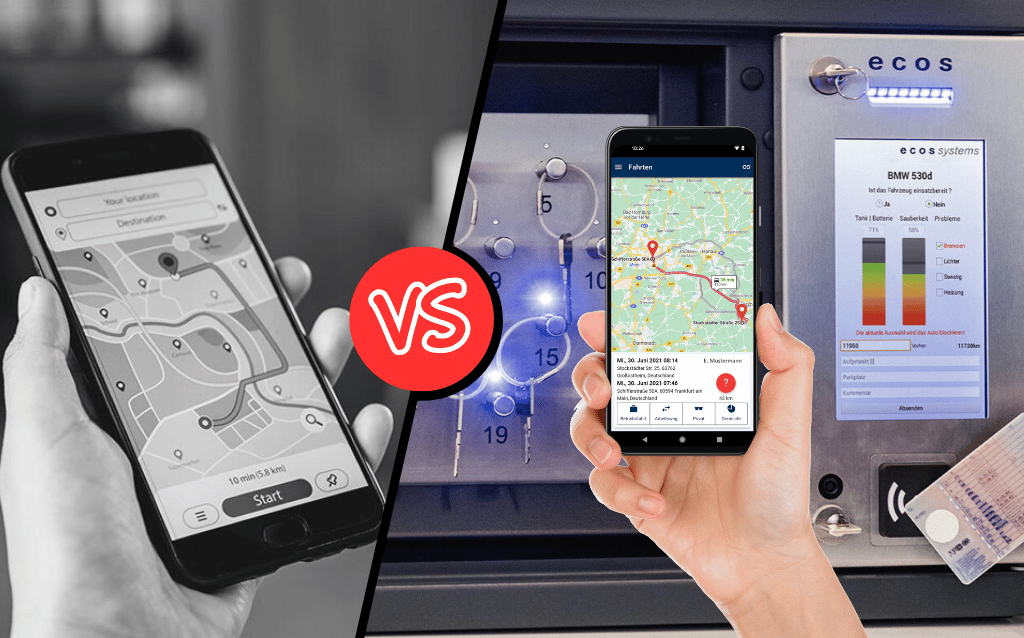
Discover how fleet key management solutions enhance efficiency by bridging gaps in app-only systems, ensuring accountability and seamless operations
.png)
Key management systems secure physical keys, cut costs, and optimize operations for businesses of all sizes. Get the steps to implement one...

Explore the pros and cons of cloud-based vs. on-premises physical key management systems to determine the best fit for your organization.