



Critical Infrastructure Security Begins With Asset Accountability
Ensure security in critical infrastructure by integrating robust physical access controls with cybersecurity measures. Enhance resilience and...
5 min read
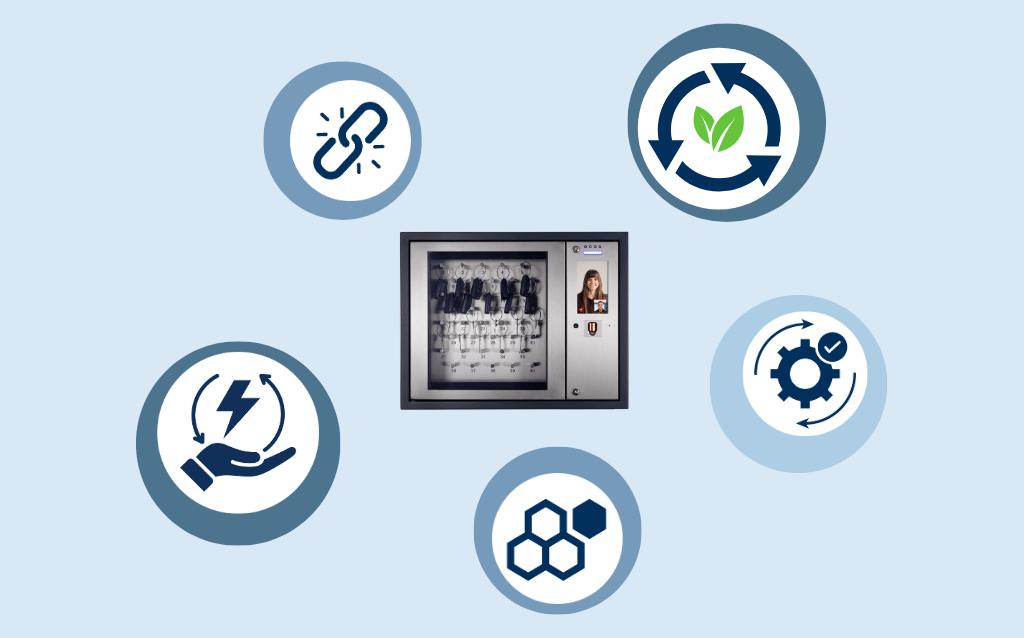
Sustainability is no longer just about PR or corporate social responsibility. Around the world, new regulations and pressure from both investors and the public are driving government institutions, businesses, and other large organizations to set binding sustainability goals.
In the EU, the Green Public Procurement requirements are already reshaping purchasing decisions. And in North America, even ahead of new binding regulations, many universities, healthcare systems, and city governments are embedding ESG metrics into their RFPs.
For decision-makers in security and facilities management, this shift can feel like a challenge. How do we fit our management system procurement into a sustainability strategy?
The answer is more straightforward than you might think.
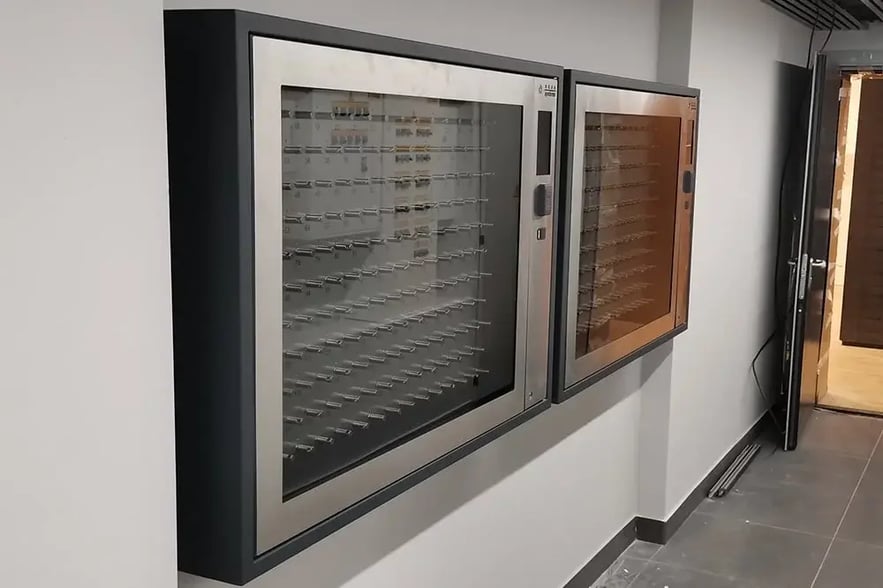
Security infrastructure is a long-term operational asset—one that consumes energy, generates waste, and requires maintenance and replacement. So that means a poorly designed system means more hardware purchases, more technician visits, more energy use, and more e-waste. A smarter key or equipment tracking system does the opposite.
When security technology is built for longevity, efficiency, and adaptability, both reduce your environmental footprint and future-proofs your operations.
At ecos, we’ve engineered our key management systems from the start with sustainability in mind. We’re not chasing a trend as an afterthought; this was a design principle. In this article, we’ll demonstrate how a smarter approach to key management supports your organization’s environmental goals while enhancing efficiency, reducing long-term costs, and aligning with the next generation of procurement standards.
Let’s look ahead to how a purchasing process in 2029 might go.
Sustainability in security technology isn’t about grand gestures. It’s seen in the small, smart, operational design decisions that matter day-to-day: how long a system lasts, how much energy it uses, and what maintenance it requires, etc.
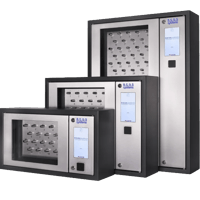
Modern key management systems, such as ecos key cabinets, are designed with these principles as core engineering priorities. By combining durability, efficiency, and intelligent design, they make reducing your environmental impact and improving operational efficiency the same activity.
And now, this commitment to sustainability is officially recognized. ecos is proud to be certified under ISO 14001, the internationally recognized standard for environmental management systems (EMS).
This certification validates ecos' structured approach to minimizing environmental impact across every stage of our operations—from product design and manufacturing to deployment and end-of-life management.
We measure and reduce our environmental footprint, including energy use, waste generation, and emissions. We design products for longevity, repairability, and recyclability, and continuously improve our processes to meet evolving environmental standards. For you, this means choosing an ecos key cabinet will provide better security and management capabilities, and also help you meet your ESG goals.
Traditional systems often rely on plastic fobs or tags that are designed to be cheap and easily replaceable. They need to be, because they wear out fast.
ecos uses stainless-steel ID plugs, which are more cost-effective in the long run. They don’t crack, fade, or fail under daily use.
Many other electronic key systems, both budget and premium models, are designed for 5–7 years of use before obsolescence sets in. ecos cabinets are built for 15–20 years of service. This longevity is thanks to industrial-grade components, a modular design, and software-driven updates that keep the system current without requiring hardware replacement.
Even small inefficiencies in 24/7 power consumption can add up to significant energy use over time. ecos Systems use:
Standard key management systems often require on-site visits for maintenance, upgrades, or emergency access. Each trip adds to your organization’s carbon output.
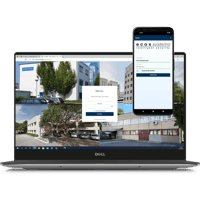
With ecos, most of these tasks can be handled remotely:
This reduces the need for technician and user travel, cutting fuel use and emissions, especially for organizations with multiple locations.
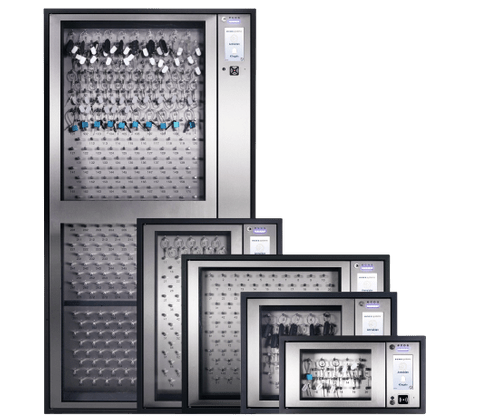
Many “modular” systems still require full hardware swaps to expand or upgrade. That means more manufacturing, more shipping, and more waste.
ecos takes a different approach. Every cabinet is fully built for maximum potential capacity from day one. When you need more capacity, you don’t replace the system, you just activate reserved slots with a software license.
No new parts. No technician. Just a couple of minutes of downtime.
When a system finally reaches the end of its life, what happens to it matters.
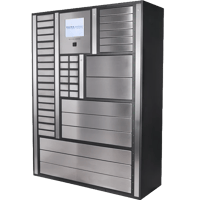
ecos cabinets are constructed with high-grade stainless steel materials that can be recovered and reused. Internal components are designed for disassembly, making recycling more efficient.
When you choose a key management system designed for longevity, low energy use, and remote operation, you gain meaningful operational advantages that improve reliability, cut costs, and streamline daily workflows.
These aren’t hypotheticals. They’re becoming standard evaluation criteria across North America and Europe. Choosing a system such as ecos ensures you’re ready—without having to retrofit or justify outdated technology.
Sustainability is the future of responsible operations. And for many, it’s already the present.
When it comes to security infrastructure, the choices you make today will impact your environmental footprint, operational efficiency, and compliance readiness for years to come. With ecos, you don’t have to choose between being secure and being sustainable. Our security key management systems are built to last, designed to evolve, and engineered to minimize waste.
Request a free consultation from ecos experts to see how your facility can reduce waste, lower operating costs, and stay ahead of procurement trends.
Ensure security in critical infrastructure by integrating robust physical access controls with cybersecurity measures. Enhance resilience and...

Modern key management systems integrate seamlessly with business networks, offer real-time tracking, automated alerts, and advanced analytics.

Discover why true SaaS software is essential for efficient, secure physical key management and avoid the hidden costs of on-premises solutions.