



Fleet Management Best Practices 2026
Explore fleet management best practices for 2026, focusing on strategic planning, technology integration, and operational efficiency to optimize your...
5 min read
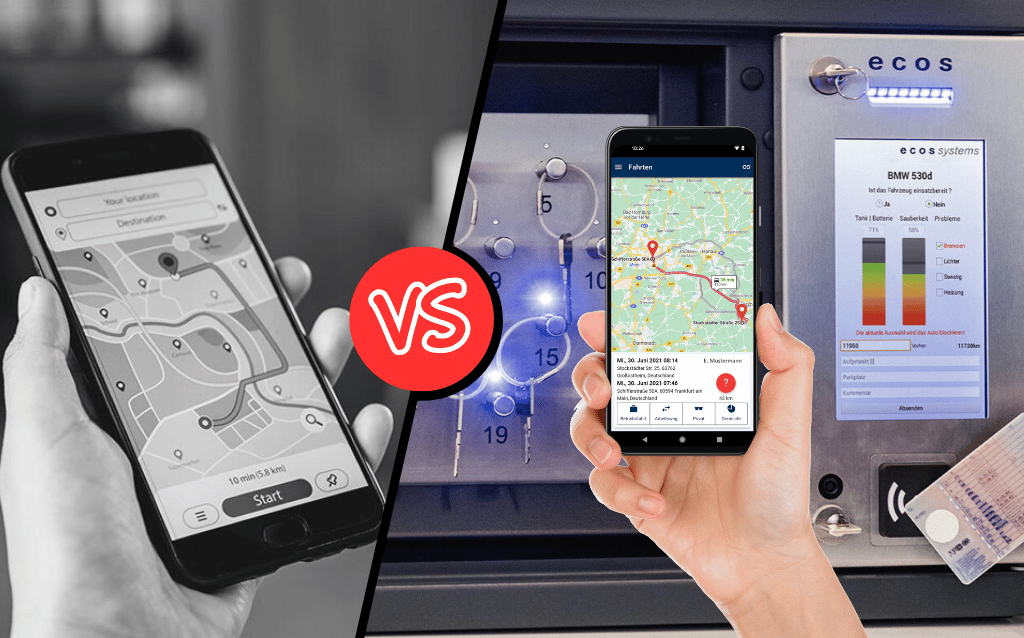
Fleet management apps have been a popular solution with fleet managers for years. No wonder they are so effective. Driver input and telematics can provide valuable insights into vehicle usage and business operations.
The challenge with relying on apps alone is that they can only give you information about the vehicle’s operation on the road. They can’t tell you what happens around that vehicle’s use. Who actually picked up the keys? Did they complete their pre-trip inspection? Were tools and equipment issued alongside the vehicle?
If it doesn’t relate to the physical vehicle itself, fleet management apps are not well-suited to gathering information.
The latest evolution in fleet operations involves integrating a reliable software app with physical access controls. Controlling access and use of essential items, namely fleet keys and work-related equipment, actually means you can manage vehicles, drivers, and many aspects of fleet operations. The result is faster dispatch times, fewer delays, and a seamless experience for drivers and dispatchers alike.
In this article, we’ll explore how integrated fleet key management solutions transform fleet operations.
Businesses’ expectations regarding efficiency, accountability, and operational visibility have evolved over the past few decades in response to advancements in network technology. Fleet management is no exception.
Let’s trace how we got here and why the next step isn’t more tools, but smarter integration.
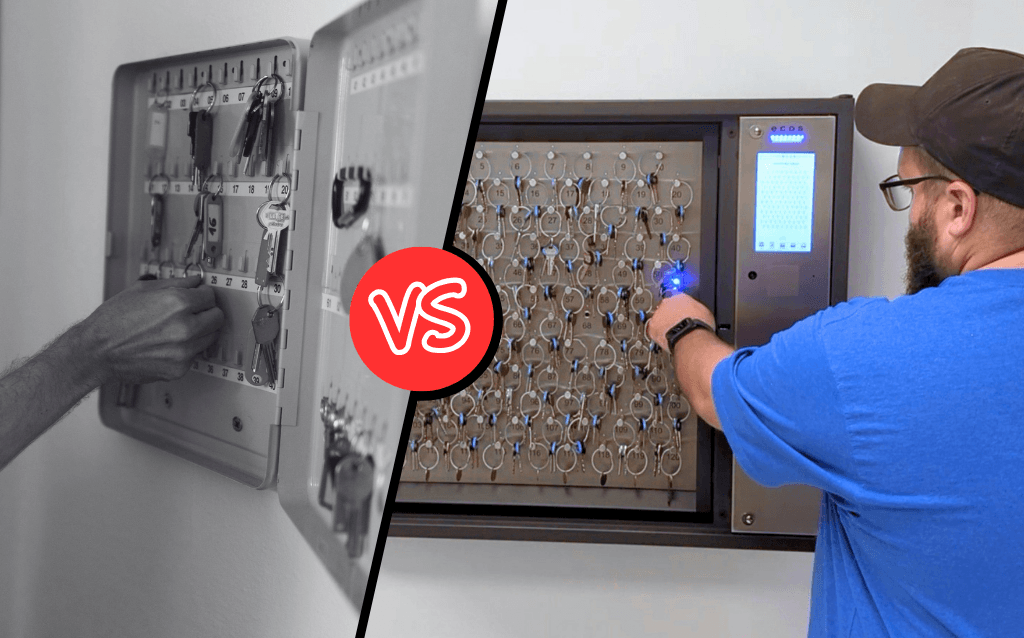
For years, fleets relied on simple systems of signout sheets and keys on pegboards. This approach is low-cost and straightforward, but lacks accountability and offers little information about actual fleet operations. Lost keys were common, and accountability for vehicle condition was lower.
When fleets grew in size, these issues scaled right along with them.
Then came desktop computers, the internet, and the emergence of viable fleet management software apps. These features provided significant improvements in visibility through GPS tracking, digital checklists, maintenance logs, and route optimization, offering dispatchers new insights into vehicle movement and driver behavior.
When it comes to managing physical access and wider operations, however, these apps fall short. They don’t control who takes a key, when, or under what conditions.
This creates a gap between digital records and physical reality. And without integrated secure storage for vehicle keys and any toolkits workers take on a call, lost assets remain a persistent problem.
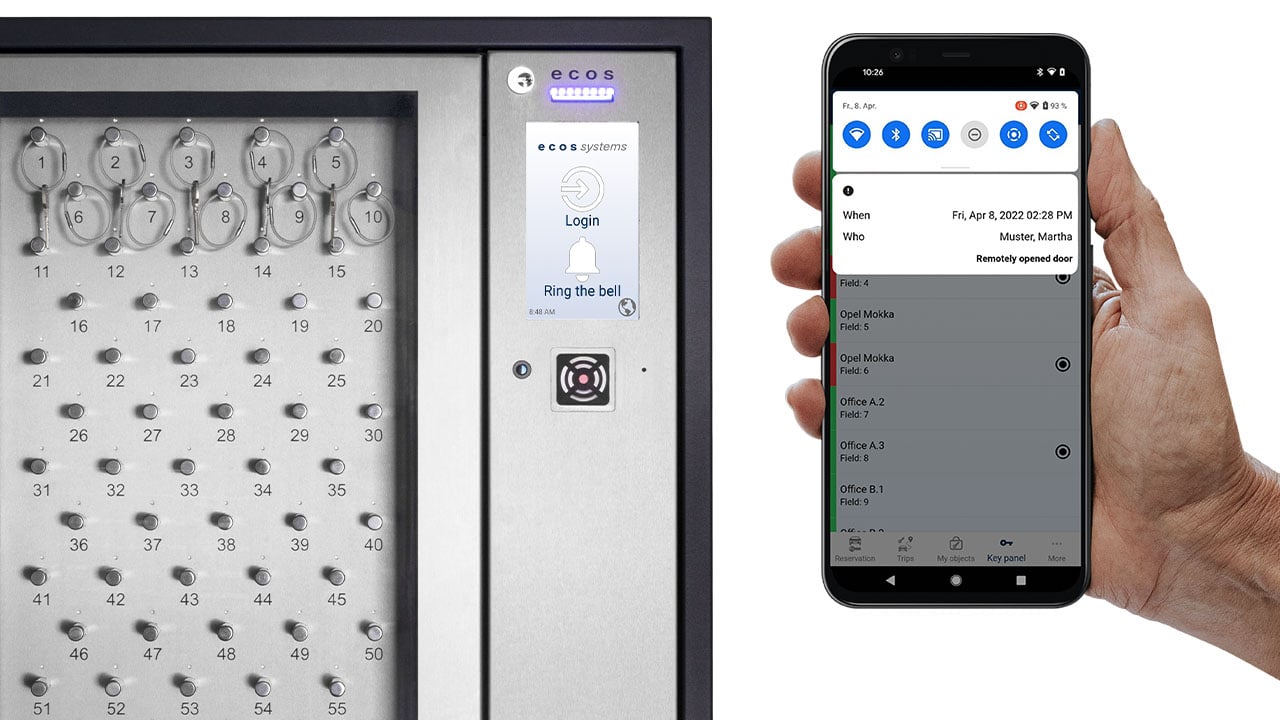
Now, a new generation of fleet management is here that bridges the divide between hardware and software.
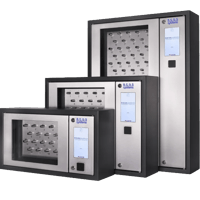
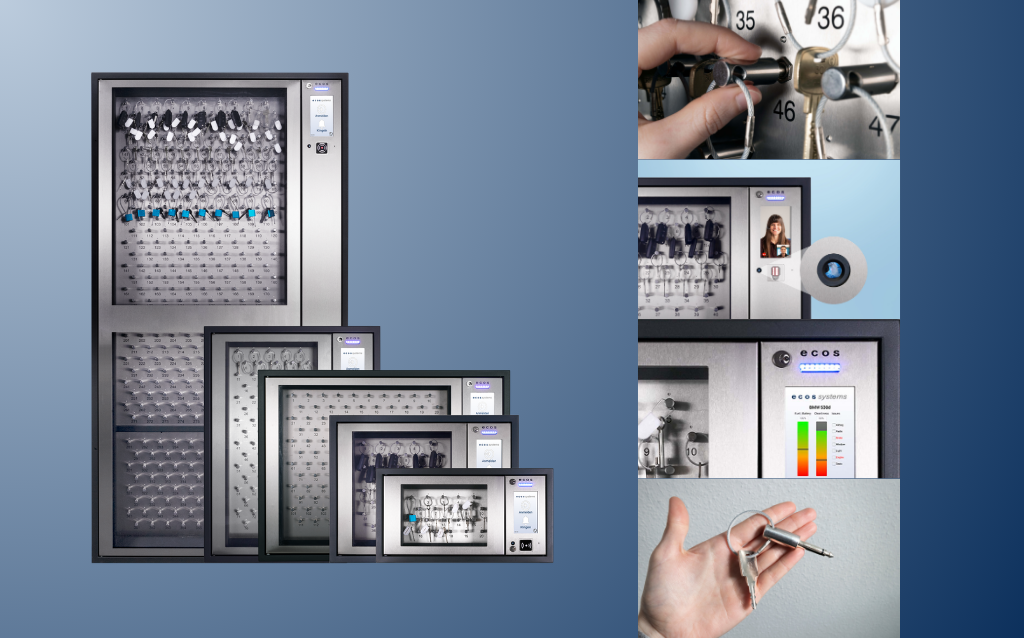
Modern fleet key management solutions combine secure, centralized key cabinets with cloud-connected management software. Drivers authenticate themselves through your preferred methods (RFID, PIN, biometrics) before accessing keys, and only the ones for which they are authorized. Every transaction is logged in real time, no honor system, no guesswork.
Beyond security, this hardware/software integration unlocks several new workflows:
In short, relying on the honor system for key and vehicle signouts leaves too many gaps in accountability. Did they hand over the keys to a coworker running an errand before actually signing the truck back in? How much mileage was used per customer? Who was the driver who dented the fender?
When digital tracking doesn’t connect to physical access, your fleet operates in two separate worlds.
For regulated industries, this lack of accountability can complicate reporting efforts. But regulatory matters aside, everyday inefficiencies add up. Dispatchers spend time chasing down check-ins, mechanics wait for returned vehicles and for servicing details, and drivers start shifts hunting for the keys and equipment they need.
Storing fleet-related keys, radios, and equipment separately means you need multiple management processes. That creates redundant administrative overhead, more opportunities for items to go missing, and more delays simply getting drivers on the road. Multiply those delays across a dozen drivers per shift, and suddenly you’re losing hours of productivity a week.
Efficient fleet programs track what happens on the road, but also everything that happens before, after, and around vehicle use. Systems that rely on manual handoffs, paper logs, or honor-based sign-outs are error-prone and do not scale well. They can create bottlenecks during shift changes. When a driver returns a vehicle late or forgets to return a key, the ripple effect disrupts the next shift before it even begins.
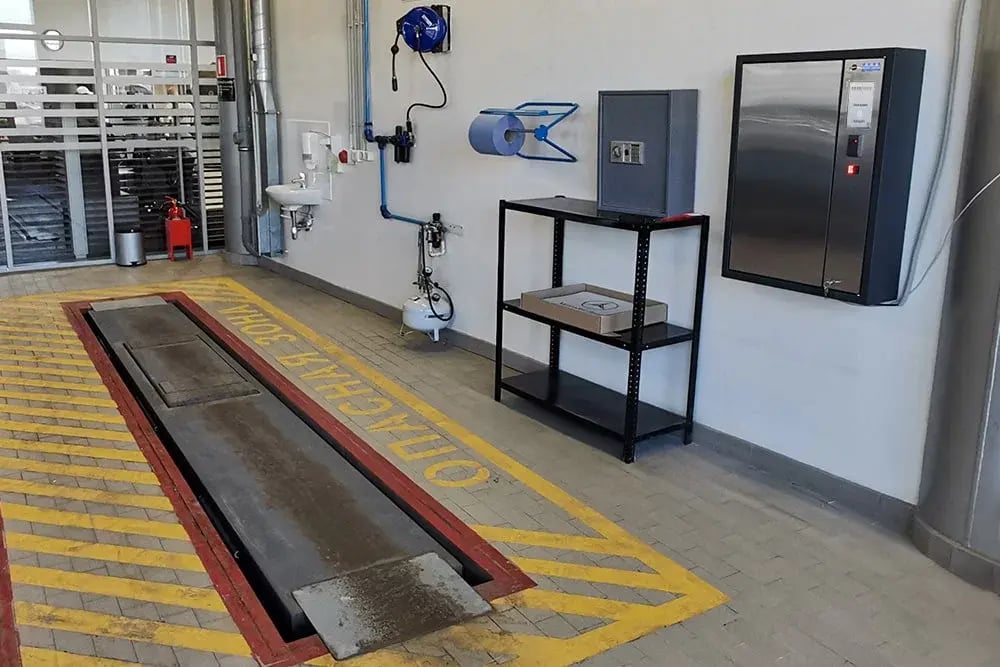
A fully hybrid fleet management solution brings together the best digital intelligence and physical controls.
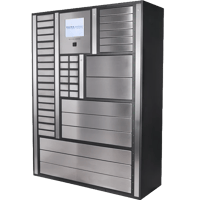
Instead of gathering keys, tools, radios, and safety gear from different places, drivers can access everything they need from a single, secure integrated fleet solution.
Imagine a driver arriving for a shift change and all at once checking out:
Nothing can be forgotten or overlooked because the system verifies the transaction.
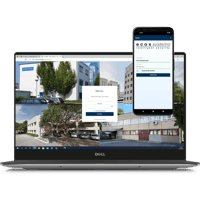
On the software side, you can integrate vehicle reservations directly into major email applications, such as Outlook. For example, a sales executive can reserve a car directly in Outlook calendar the moment they land a promising pitch meeting with a major, local client.
With an integrated fleet solution, every check-in and check-out automatically generates a tamper-proof log entry. Pre-trip inspection confirmations can be linked to the key release. You can require safety checks, such as a live, integrated breathalyzer test or license status check, before the system grants access to keys.
When it comes to fleet operations, efficiency doesn’t come through adding the shiniest new pieces of tech. It comes from integrating proven ones in powerful new ways to create smarter workflows. ecos does this by combining secure storage, digital intelligence, and seamless access into a single fleet key management system that works as hard as your team does.
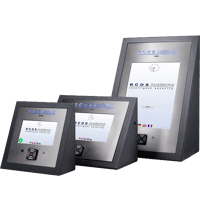
ecos streamlines the pre-departure process with a single, integrated check-out. A driver authenticates at the cabinet and retrieves their assigned key and equipment in one transaction.
This unified workflow eliminates delays, eliminates the possibility of human error in signouts and reporting, and ensures drivers leave fully equipped.
Dispatchers gain real-time, detailed insight into who’s on schedule, and managers can verify that required gear was issued before departure.
ecos key and equipment tracking systems don’t just track access through signouts at the control unit, they can automatically track what equipment users actually took from cabinet drawers. The ecos dual-technology approach. RFID tags verify when tagged assets leave or enter compartments. That is combined with weight recognition sensors, which can confirm which items were removed or returned.
Scales offer fine-grain tracking for large, small, or consumable items—ammunition, for example. A law enforcement agency can integrate ecos smart lockers with weight scales into its fleet operations. Officers who return weapons and ammunition at the end of the shift present their equipment to the locker, which verifies based on weight whether any ammunition has been spent.
By bringing keys, tools, and digital workflows together, ecos cuts vehicle signout times from minutes to seconds. Drivers spend less time gathering gear and more time on the road doing their jobs.
And because the system integrates with existing fleet apps and HR platforms, all activity is logged in real time, automatically feeding into compliance reports, maintenance schedules, and shift logs.
The result? Smoother operations, fewer delays, and measurable gains in daily productivity.
With ecos, you’re more than just managing access, you’re enabling better performance. Explore ecos key and equipment management offerings from fleet managers today.
Explore fleet management best practices for 2026, focusing on strategic planning, technology integration, and operational efficiency to optimize your...
Decide whether manual key management is good enough for your organization and know the signs that it's time to transition to digital solutions for...
Discover 8 key benefits of electronic key management systems for your business, including enhanced security, compliance, and efficiency.