



From Reactive to Proactive: Rethinking Physical Key Management
Discover how to transition from reactive to proactive key management, enhancing security with real-time visibility, mobile access, & intelligent...
6 min read
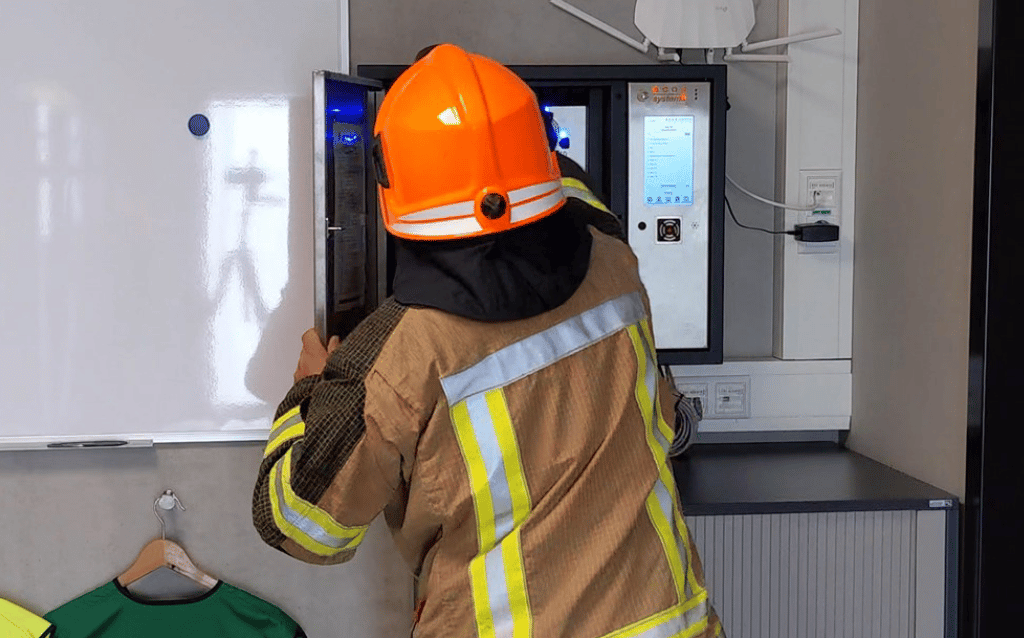
It’s 2:07 AM, and the call comes in that there’s a fire in the warehouse and emergency responders need immediate access. Your key management system needs to be as responsive to this situation as it is to day-to-day operations. However, organizations are often left with key systems that can't effectively accommodate the complex realities of emergency response efforts.
They’re forced to use workarounds, such as granting off-the-books access or keeping master key copies in a desk, “just in case.” These manual workarounds undermine the very reason organizations look to automate key management in the first place.
ecos has taken a different approach to emergency access controls in our key systems. Our cloud-enabled systems allow authorized personnel to grant remote access from anywhere via the mobile app, issue temporary credentials on demand, and maintain full audit trails during emergencies.
This article outlines the challenges you face in balancing security and accessibility in day-to-day operations and, inevitably, during emergencies. We’ll discuss what your emergency response protocols must consider in access control and observe how cloud-enabled workflows can give you the flexibility to respond to any situation without sacrificing security.
In theory, the most secure key control system is one that won’t permit exceptions—no overrides, no backdoors, no workarounds. Many vendors market their key management systems this way, as fully locked down and safe. But “safe” from what? And when? Real-world business doesn’t work in absolutes.
Emergencies happen outside business hours. Tenants get locked out in storms. Maintenance teams need immediate access to stop a flood. Firefighters arrive at 2 a.m. and need keys on the spot.
When these urgent real-world situations collide with rigid security protocols, the organization always loses. Do you maintain perfect control and risk delayed response, or bypass security and compromise accountability?
That is the emergency access paradox.
Too much flexibility creates risk. Too much restriction creates risk.
An open override policy can violate insurance requirements or regulatory standards (such as fire codes or HIPAA healthcare regulations). At the same time, a system that prevents timely access during emergencies can be just as dangerous.
Your goal shouldn’t be either extreme. Access control should be intelligent control—a system that maintains security while enabling fast, accountable access when it matters most.
Let’s examine the most common emergency access methods you’ll find in key management systems.
Some systems include a mechanical override key you can store separately. While this ensures access during power loss, it creates several security gaps.
The moment that the key is used, accountability vanishes. Who took it? When was it returned? Was it copied? Without a digital log, there’s no audit trail. And because these keys are rarely rotated or tracked, they become long-term liabilities if lost or duplicated.
In high-security environments, physical overrides should be last-resort options, not standard procedure.
A shared PIN or master code offers convenience but sacrifices control.
These credentials are often written down, shared verbally, or memorized by too many people. Worse, changing them regularly is rarely enforced, making them targets for misuse. If a disgruntled employee knows the override code, they can bypass the entire system.
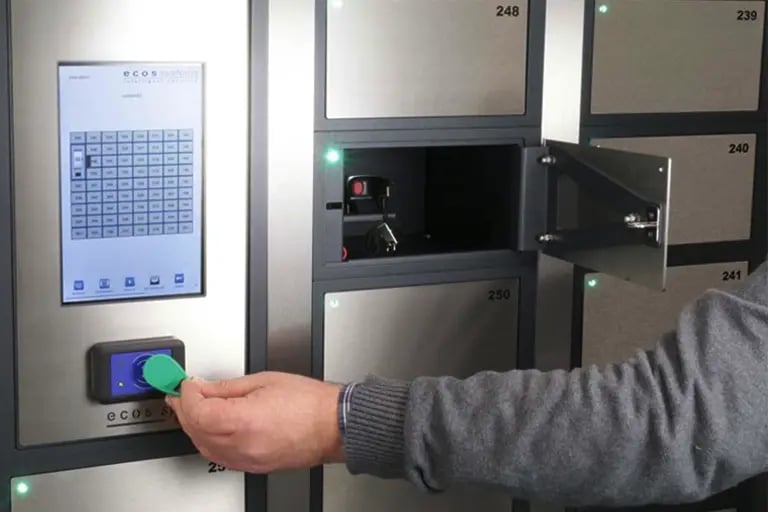
Using fingerprint, iris, or vein recognition for emergency access sounds secure, right up until the one authorized person isn’t available.
What happens if the only staff members with biometric access are off-site, on vacation, or unreachable? Systems should never be dependent on specific individuals. And biometrics add a strong layer of security, but they shouldn’t be the sole method for emergency access.
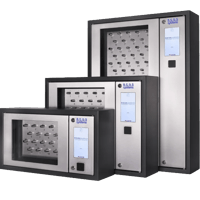
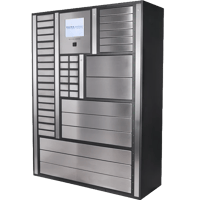
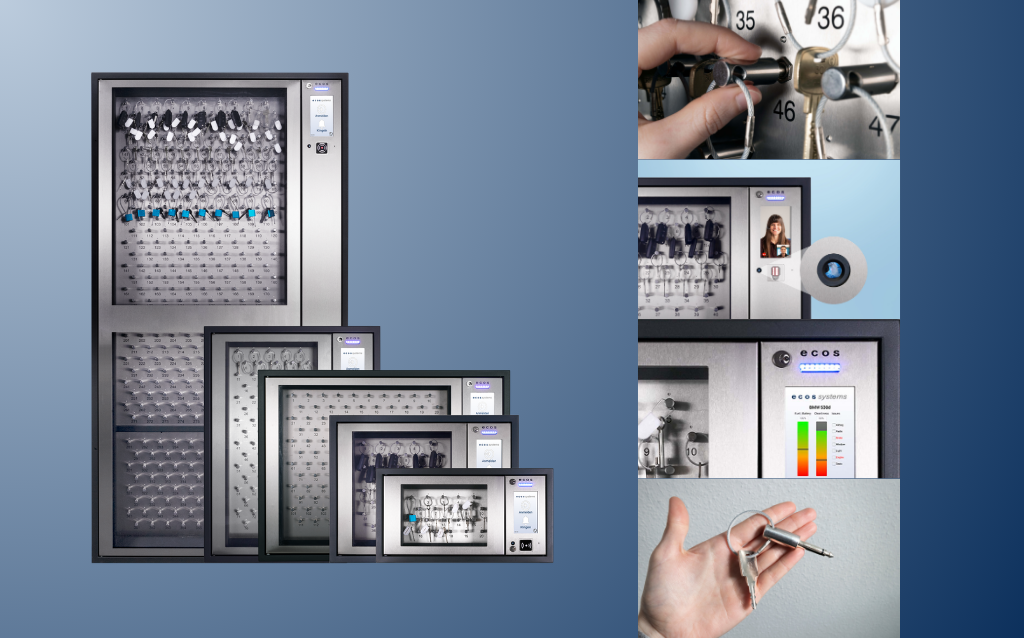
This is where modern systems redefine what’s possible. With cloud-connected cabinets such as ecos, authorized personnel can grant emergency access from anywhere—using a smartphone, tablet, or web browser. No need to drive to the site or wait for someone with a key.
Each remote unlock is:
Temporary credentials can be issued instantly for first responders or contractors, then revoked just as quickly. And because the system maintains dual database architecture (both on-cabinet and in-cloud), remote access works even if network connectivity is disrupted.
All electronic systems should have a mechanical backup to unlock the cabinet manually during a catastrophic failure event.
Environment, regulations, and day-to-day operational needs shape real-world emergencies. Effective planning must reflect that. Let’s examine how emergency access varies across different industries, while also considering the importance of flexibility, speed, and audit integrity in each case.
Healthcare: Seconds Count, But So Does ComplianceA nurse responding to a Code Blue needs immediate access to emergency medication keys. A pharmacist on call must retrieve controlled substances after hours. During a disaster drill, multiple teams need coordinated entry to secure areas. But healthcare is also one of the most regulated environments. HIPAA, Joint Commission standards, and state pharmacy laws all require documented emergency response procedures. So key systems that rely on shared codes or physical override keys create compliance gaps. Cloud-based remote authorization, however, allows supervisors to grant time-limited access from anywhere. |
Property Management: Everyday Emergencies, 24/7For property managers, emergencies are almost a routine occurrence. A tenant gets locked out in a storm. A burst pipe requires immediate access for maintenance and repair. Firefighters arrive and need building keys quickly. These situations demand simplicity and reliability. Smart key cabinets with integrated LTE connectivity and cloud-based control allow for dependable distribution. The system logs every action, sends SMS alerts, and supports multi-factor authentication for higher-security units. |
Universities: Safety, Privacy, and ScaleA resident advisor may need after-hours access to a dorm room for a wellness check. A facilities team might respond to a chemical spill in a biology lab. During a campus-wide alert, first responders need instant entry to all buildings. With hundreds of keys and thousands of users, universities need protocols that are both scalable and traceable. Shared master keys pose unacceptable risks. Paper logs don’t hold up in investigations. ecos systems allow central security teams to issue temporary credentials for contractors or emergency crews and maintain real-time visibility across multiple buildings. |
Most key system vendors don’t talk about failure. But here in the real world, you plan it. Let’s examine the most common failure modes for key systems and how to mitigate them before they turn into crises.
ecos systems come equipped with integrated emergency batteries as standard for up to 96 hours of continuous operation without grid power. During power outages, the cabinet continues to operate independently.
Many cloud-based key cabinets can’t fully function when internet access drops. This defeats the purpose of remote access during emergencies.
ecos avoids this single point of failure with a dual-database architecture. Every cabinet has a powerful onboard control unit with its own local, synchronized user database copy. If the network goes down, the system continues to authenticate users, log transactions, and grant access. After connectivity is restored, logs automatically sync back to the cloud—no data loss.
And because ecos uses built-in LTE (cellular) connectivity, not your building’s Wi-Fi, you’re not dependent on your internal IT infrastructure.
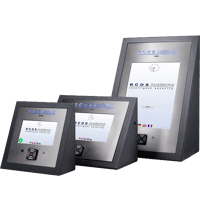
If an ecos cabinet key reader fails, the system can still operate via mobile app or temporary PIN override.
ecos mitigates these risks with:
ecos systems are designed to help prevent cascading failures through:
Cloud-enabled key system management helps keep your organization connected, controllable, and your workforce accountable, especially during emergencies. It provides several distinct advantages over other emergency access control methods.
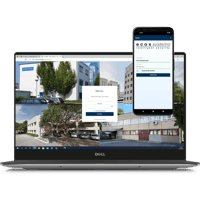
With the ecos webman mobile app, designated staff can securely unlock cabinets, release keys, or issue temporary access from any location. Whether your emergency manager is at home, in transit, or across town, you have full control over who gets access and when.
Most cloud-connected systems rely on your facility’s Wi-Fi or wired network, but both can be vulnerable to outages, misconfigurations, or disruptions. ecos uses integrated cellular connectivity via multiple national carriers. That means:
ecos cloud management software provides real-time visibility into who made an access attempt and when they tried. Managers receive instant alerts and can monitor activity in real time.
ecos systems allow you to create time-limited, one-time-use credentials remotely. These digital passes expire automatically and are logged in the audit trail, so you get both convenience and compliance.
ecos’ software enables security teams to manage all sites from a single interface. During a storm, power outage, or other emergency event, administrators can:
The ecos app puts all essential functions at your fingertips.
Many systems compromise accountability during emergency access. Not ecos. There is no break in the chain of custody. Your leadership, regulators, insurers, and auditors observe a complete, tamper-proof record.
Unlike budget competitor systems, ecos cabinets feature a powerful onboard control unit with its own local database copy, capable of full standalone operation.
That means your key cabinets can work independently if the cloud is unreachable, all transactions are stored locally and sync when the connection resumes, and there’s no loss of data or functionality during network failures.
When it comes to key management technology, the choices you make today will affect your operational efficiency and emergency preparedness for years to come. With ecos, you don’t have to choose between being secure and being effective. Our cloud-enabled smart key management systems are built to provide the most effective key management capabilities possible, day-to-day and during emergencies.
Request a free consultation from ecos to see how your facility can best prepare for emergencies.
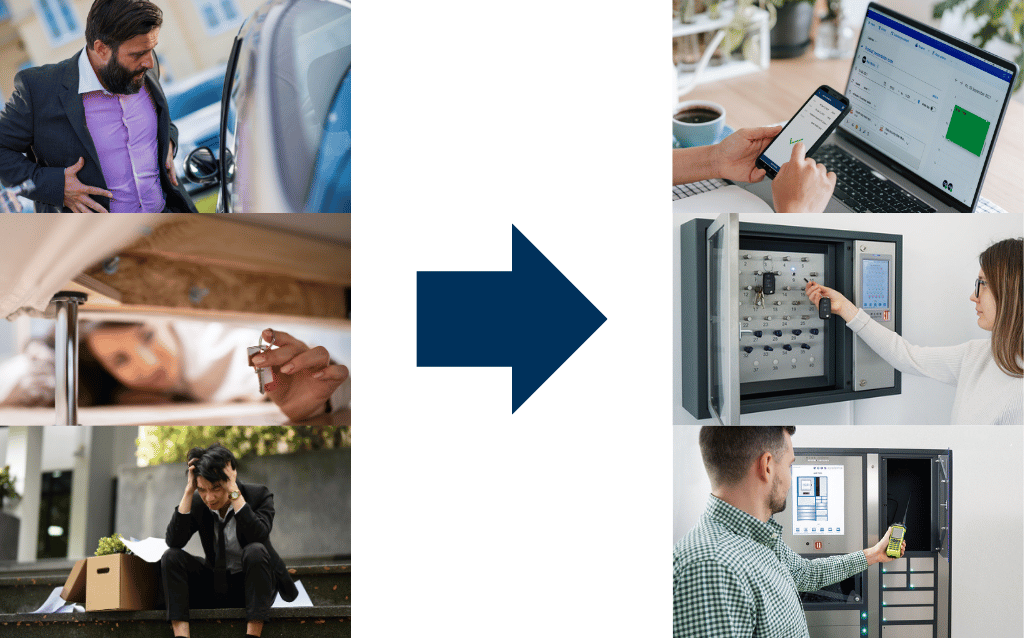
Discover how to transition from reactive to proactive key management, enhancing security with real-time visibility, mobile access, & intelligent...
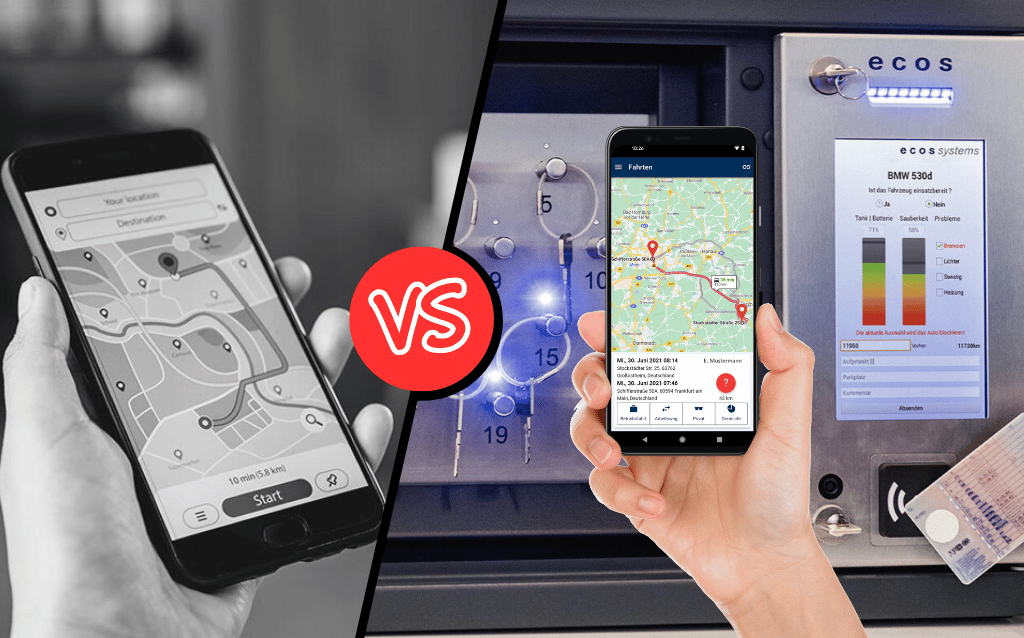
Discover how fleet key management solutions enhance efficiency by bridging gaps in app-only systems, ensuring accountability and seamless operations
Discover 8 key benefits of electronic key management systems for your business, including enhanced security, compliance, and efficiency.